
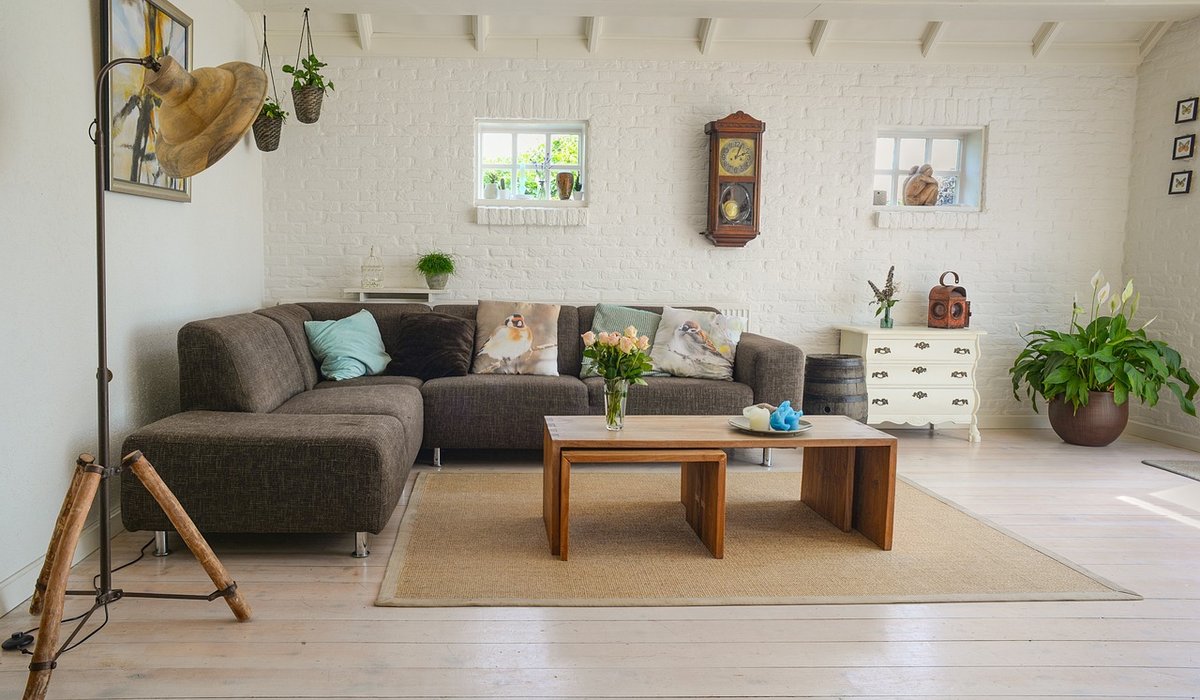
Mixing Antique Furniture with Modern Dark Interiors
Why Antiques and Dark Interiors Work Together
A dark room does something remarkable to an old piece of furniture. Where pale walls flatten an antique into just another object, a deep charcoal, inky green or bitter chocolate backdrop lets it read almost like sculpture. The turn of a cabriole leg, the wear on oak, the soft sheen of aged brass — all of it becomes legible against a dark ground. The trick is not to fill that darkness with more of the same. Pair inherited pieces with clean-lined contemporary seating and you get a room that feels collected rather than themed, warm rather than gloomy.
It is a balancing act between two moods. Antiques bring history, irregularity and patina. Modern upholstery brings calm, comfort and breathing space. One without the other tends to tip: all antiques becomes a museum, all modern becomes a showroom. Held together, they read as a room that has grown up slowly, which is exactly the feeling most of us are chasing.
Build the Dark Shell First
Get the background right before you move a single chair. In most British rooms, the safest deep shades are off-black with a green or brown undertone rather than a true blue-black, which can turn cold and chalky under our grey daylight. A matt or chalky finish on walls absorbs light gently and stops the room feeling lacquered. For an even calmer envelope, carry the same colour onto the skirtings, architraves and window reveals — this hides awkward proportions and makes small rooms feel deliberately enveloping rather than cramped.
- Paint large sample boards and live with them for a week before committing; dark colours shift dramatically between morning and lamplight.
- Use a hard-wearing eggshell on woodwork so it wipes clean and reflects a touch more light than the walls.
- If ceilings are low, keep them a shade lighter or use the same colour in a lower sheen to avoid a heavy lid.
- Consider limewash on one chimney breast for a soft, cloudy texture that antique timber sits against beautifully.
Choose Modern Seating That Can Hold Its Own
The contemporary pieces are your counterweight, so choose them with real discipline. Look for low, generous forms with tight upholstery and no skirt: a long sofa with slim arms, a deep armchair on visible legs, a leather bench at the foot of a bed. Visible legs matter more than you would think — they lift the mass off the floor and stop the arrangement feeling bottom-heavy against dark walls.
Fabric should be matte and textural rather than shiny: wool, bouclé, linen-blend, brushed cotton or a quiet velvet in stone, oatmeal, olive, rust or oxblood. These mid-tones separate the antiques from the walls without fighting them. Keep the palette to three or four colours and let the inherited pieces supply the detail — inlay, carving, faded gilding, aged leather. If you have a very ornate antique sofa or a heavily tufted chair, that is your one flourish; everything upholstered around it should stay plain.
Place Antiques with Intention, Not Symmetry
The commonest mistake is to line inherited furniture up against the walls like a delivery van. Break the perimeter. Float a slim console behind a sofa, angle a writing table into a corner, put a tallboy where a modern shelving unit would normally sit. Dark rooms reward asymmetry because shadows do the rest of the work.
- One hero per zone. A single mahogany chest of drawers earns its presence; three competing pieces in one sightline cancel each other out.
- Vary height deliberately. A tall item anchors, a low item settles. Aim for a steady rhythm of high, low, medium across the room.
- Keep some negative space. Antiques need air around them — a bare stretch of dark wall makes the piece beside it look curated.
- Group small objects in threes or fives on a tray or a stack of books so they read as one considered arrangement.
Layer Light and Texture to Warm the Scheme
Dark rooms live or die by their lighting. Aim for warmth and layering rather than a single bright source: a table lamp on an antique side table, a picture light grazing a gilt frame, a dimmable floor lamp beside your modern armchair. Choose bulbs around 2200 to 2700 kelvin so the light flatters wood and skin alike, and put everything on dimmers. Antique brass and dark bronze fittings sit comfortably with both old and new furniture; polished chrome tends to look out of place.
Then add softness. A good wool rug in a muted tone, curtains hung high and wide, linen or velvet cushions in two or three sizes, a loosely woven throw. Texture is what stops a dark scheme reading as hard or austere, and mixing a worn, tactile antique surface against a smooth modern one is the whole pleasure of the look.
Making It Feel Collected, Not Cluttered
Start small. Choose one inherited piece you genuinely love — a chest, a chair, a mirror — and build the room around it rather than buying everything at once. Live with the layout for a fortnight before you drill, paint or reupholster anything, because how a dark room feels at 8pm is very different from how it feels at noon.
Be gentle with restoration. Heavy stripping and re-polishing removes the very thing that gives an antique its warmth, so clean and wax rather than rebuild, and keep pieces out of direct sun where veneer and fabric can fade. Where an item is beyond saving structurally, use it decoratively: a damaged chair as a bedside table, a broken clock case as a bookshelf. Held lightly, mixed confidently, the old and the new will settle into a room that feels intentional, personal and quietly luxurious.
tag: Furniture

Priya Nair Author
Velvet, leather and boucle each bring different texture to a dark scheme, so consider comfort, scale and maintenance before buying.
YOU MAY ALSO LIKE
Choosing a Statement Sofa for a Moody Room
Sep 1
10Choose leggy designs, reflective surfaces and multi-purpose pieces to keep compact rooms feeling open despite rich wall colours.
read more
Small Space Furniture Ideas for Darker Colour Schemes
Aug 26
10Combine ceiling pendants, wall sconces and table lamps to create warmth and avoid harsh shadows in deep-toned spaces.
read moreInteriors
-

ERRIC CATONA
Metallic finishes catch light beautifully against inky backdrops, adding glamour without making a room feel overly busy or cold.
May 19, 2016 at 5.12 pm
Reply
ERRIC CATONA
Select bulbs with a low colour temperature and dimmable fittings to make dark interiors feel inviting rather than gloomy after sunset.
May 19, 2016 at 5.12 pm
Reply -
ERRIC CATONA
Use books, ceramics and framed prints in varied heights to add personality and prevent a black wall from looking flat.
May 19, 2016 at 5.12 pm
Reply
Paint
Your email address will not be published.