
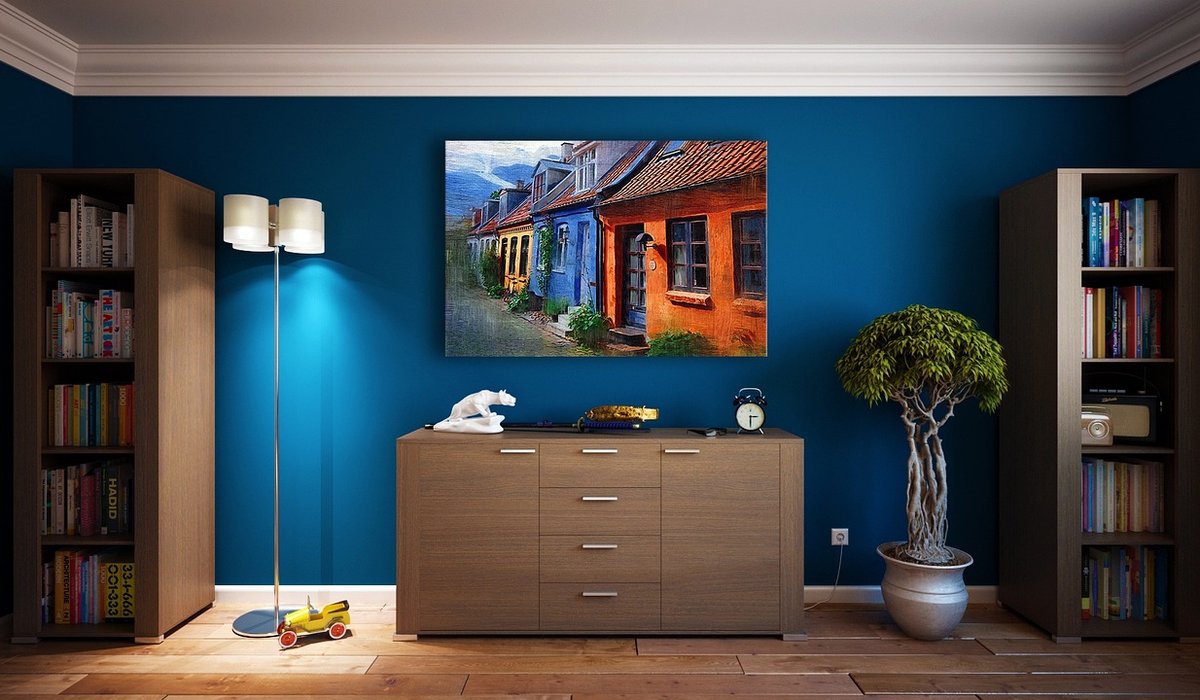
Small Space Furniture Ideas for Darker Colour Schemes
Why Darker Schemes Work in Compact Rooms
There is a stubborn myth that small rooms must be painted white to feel larger. In practice, a rich, dark scheme can make a compact space feel more generous — and considerably more luxurious. Deep charcoal, inky blue, forest green or warm aubergine blur the edges of a room, so the eye cannot instantly read where the walls meet the corners. The secret is not the colour itself but what you place against it. Heavy, opaque, blocky furniture will crowd a dark room in seconds. Choose pieces that are leggy, reflective or multi-purpose, and the same square footage will feel calm and considered rather than cramped.
Choose Leggy Furniture to Keep Sightlines Open
The single most effective change in a small, dark room is to lift furniture off the floor. When you can see beneath a piece, light and floor colour continue underneath it, which the brain reads as extra space.
- Look for sofas and armchairs with visible legs, ideally 15–20cm tall. Tapered timber or slim metal legs work better than chunky blocks.
- Choose a bed frame on legs rather than a divan, or ask for a divan with a recessed plinth so the base appears to float.
- Swap a solid coffee table for a glass-topped or slender-legged design, and use nesting tables that tuck away when not in use.
- Avoid skirted sofas, plinth-based sideboards and upholstered ottomans that sit flush to the floor — they visually shorten the wall.
- In a narrow room, a console table with fine legs against a dark wall gives you surface without bulk.
Use Reflective Surfaces to Bounce Light Around
Dark walls absorb light, so anything shiny in the room has to work harder. Introduce reflection deliberately and a moody scheme becomes luminous rather than gloomy.
- A mirrored console, or one with an antique or smoked mirror finish, doubles the sense of depth and catches lamplight beautifully. Smoked mirror is softer than clear and sits well with rich tones.
- Glass-topped side tables and coffee tables let the floor show through, so they take up almost no visual weight.
- Brushed brass, aged bronze and polished nickel read as warm rather than flashy against inky blues and greens. A metal lamp base or tray is enough.
- High-gloss lacquered cabinets, in a tone close to the wall colour, reflect their surroundings and dissolve into the scheme.
- A satin or eggshell finish on the walls themselves will catch a low lamp far better than a flat matt.
Multi-Purpose Pieces That Earn Their Floor Space
In a compact room every piece should justify its footprint. The aim is furniture that performs two roles convincingly, rather than three roles badly.
- A storage ottoman with a sturdy tray on top works as a coffee table, a footstool and a home for throws and magazines.
- A daybed or compact sofa bed turns a snug into a guest room without adding a second piece of furniture.
- Nesting tables give you a side table, a drinks table and a desk, then stack into one slim silhouette.
- A drop-leaf or gateleg dining table seats four when needed and folds to the width of a console.
- A bench at the foot of the bed provides seating, a place for a tray of tea and hidden storage.
Storage That Disappears Into the Dark
Dark schemes are forgiving of storage, provided it blends rather than announces itself. Paint built-in alcove shelving, cupboards and radiator covers the same colour and finish as the wall, so they recede into the background. Floating shelves are less obtrusive than a deep bookcase. For open shelving, style in groups of odd numbers and leave breathing space between objects — a dark wall behind a few well-chosen pieces looks curated, while a dark wall behind clutter looks heavy. Use lidded baskets and boxes in charcoal, black or deep brown to contain the everyday items you would rather not see.
Where you need a freestanding piece, choose a slim sideboard on legs rather than a full-height unit, and consider a glass-fronted cabinet only if you plan to display something genuinely worth looking at.
Layer Light and Texture to Finish the Look
Finally, treat lighting as part of the furniture. Dark rooms need several small pools of warm light rather than one bright ceiling fitting. Aim for 2700K bulbs — cooler whites turn deep colours grey and uninviting.
- Use an uplighter or a floor lamp to wash a dark wall, which emphasises ceiling height and makes the room feel taller.
- Place a table lamp on a console or sideboard to create a glowing focal point at eye level.
- Hang a mirror opposite a window to pull daylight across the room.
- Add texture generously: velvet cushions, a wool rug, a bouclé armchair, a sheepskin throw. Texture gives a dark scheme richness without adding visual bulk.
- A pale rug on a dark floor, or a dark rug with a metallic border, will define the seating zone and stop the scheme feeling flat.
Get these elements right and a small, dark room stops being a compromise. It becomes the most atmospheric space in the house.
tag: Furniture

Priya Nair Author
Combine ceiling pendants, wall sconces and table lamps to create warmth and avoid harsh shadows in deep-toned spaces.
YOU MAY ALSO LIKE
Layering Lighting in a Dark Living Room
Aug 21
10Metallic finishes catch light beautifully against inky backdrops, adding glamour without making a room feel overly busy or cold.
read more
Using Brass and Copper Lighting with Dark Walls
Aug 17
10Select bulbs with a low colour temperature and dimmable fittings to make dark interiors feel inviting rather than gloomy after sunset.
read moreInteriors
-

ERRIC CATONA
Use books, ceramics and framed prints in varied heights to add personality and prevent a black wall from looking flat.
May 19, 2016 at 5.12 pm
Reply
ERRIC CATONA
Introduce wool throws, rough plaster and woven baskets to soften sleek surfaces and create visual interest in restrained rooms.
May 19, 2016 at 5.12 pm
Reply -
ERRIC CATONA
Choose frames and artwork that contrast with deep paint, considering scale, lighting and the mood you want to create.
May 19, 2016 at 5.12 pm
Reply
Paint
Your email address will not be published.